
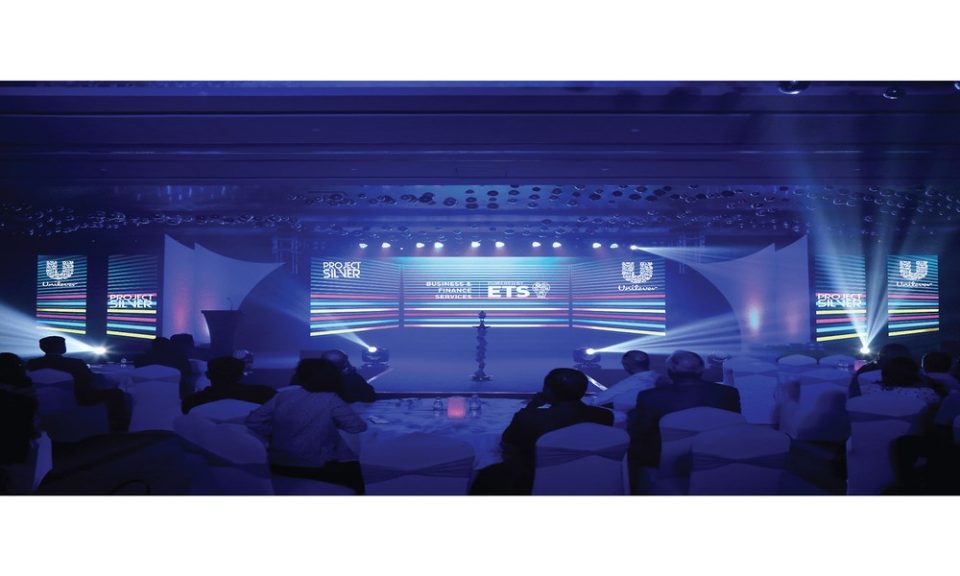
Hybrid events have rapidly transformed the way organizations communicate with audiences. Businesses, educational institutions, entertainment brands, and corporate organizations are now combining physical and virtual experiences to reach wider audiences more effectively. As this trend continues to grow, the need for creative event technology and professional production support has increased significantly. Modern audiences expect engaging presentations, smooth communication, and immersive experiences, whether they attend in person or online. This has created rising demand for every professional audiovisual company capable of delivering innovative hybrid event solutions.
The Shift Toward Hybrid Experiences
Traditional events were once limited to physical venues and local audiences. Today, hybrid events allow organizations to connect with participants from different cities and countries without requiring everyone to travel. This flexibility has changed expectations for conferences, product launches, training seminars, and networking events.
Companies now understand that hybrid events can improve accessibility while increasing audience participation. Virtual attendees can join presentations, ask questions, and interact with speakers in real time. At the same time, in-person guests still enjoy face-to-face networking opportunities and live event energy. This combination creates a more inclusive experience for all participants.
Because hybrid events involve both physical and digital audiences simultaneously, organizers require more advanced production planning than ever before. Professional technical support has become essential for maintaining quality across multiple platforms.
The Importance of Seamless Communication
One of the biggest challenges in hybrid events is ensuring smooth communication between live and remote participants. Audio clarity, video quality, and stable streaming technology are critical elements that directly impact audience satisfaction.
Poor sound quality or technical interruptions can quickly reduce engagement levels. Remote viewers especially expect reliable video streams and professional presentation quality. This is why event organizers increasingly rely on experienced production teams to manage every technical aspect of the event.
Creative event technology solutions help ensure that presentations remain interactive and visually appealing for both audiences. Multi-camera setups, live switching, digital displays, and synchronized audio systems all contribute to a more professional event environment.
Creative Technology Is Enhancing Engagement
Modern hybrid events are no longer simple video broadcasts. Organizations are investing in interactive technology designed to keep audiences engaged throughout the experience. Features such as live polls, virtual networking rooms, audience Q and A sessions, and interactive displays are becoming common in many events.
Creative lighting design and large digital screens also play an important role in maintaining audience attention. Dynamic visuals help presenters communicate more effectively while making the event environment more memorable.
Many organizations now seek an audio visual company that can combine technical expertise with creative event design. Businesses want solutions that not only function properly but also strengthen brand identity and audience connection.
Corporate Events Are Driving Industry Growth
Corporate organizations continue to be one of the biggest drivers behind the demand for hybrid event production. Companies regularly host leadership meetings, training programs, investor presentations, and product launches that require professional event technology.
Hybrid formats allow businesses to reduce travel expenses while still reaching international teams and clients. This makes events more cost-effective without sacrificing communication quality. As a result, many organizations are increasing investments in event production services that support long-term hybrid communication strategies.
Large conferences also benefit from hybrid formats because they can attract both local attendees and global online participants. This broader reach often increases registration numbers and audience diversity.
The Role of Innovation in Future Events
Technology continues to evolve rapidly, creating new opportunities for more immersive hybrid experiences. Artificial intelligence, virtual reality, and advanced streaming platforms are expected to influence future event production significantly.
Event organizers are now exploring creative ways to personalize audience experiences while improving interaction between online and in-person attendees. This ongoing innovation will likely continue increasing the demand for skilled production professionals and advanced event technology solutions.
As expectations rise, businesses are prioritizing quality, creativity, and reliability when selecting production partners. The future of hybrid events depends heavily on organizations that can combine technical precision with engaging event experiences.
Conclusion
Hybrid events have become an important part of modern communication strategies across many industries. Organizations are recognizing the value of connecting with audiences through both physical and digital experiences at the same time. This shift has created growing demand for creative event production, interactive technology, and professional technical support.
As businesses continue investing in digital communication and audience engagement, the role of a professional audiovisual company will remain increasingly important. Creative hybrid event solutions are no longer optional conveniences. They are now essential tools for delivering impactful, engaging, and successful event experiences.
